Places to Visit in Jamshedpur: Jubilee Park, Dimna Lake, Dalma and More
By the Sarovar Hills teamUpdated 5 min read
Quick Answer
Jamshedpur’s top sights are Jubilee Park and its zoo in the city centre, Dimna Lake about 13 km out at the foot of the Dalma hills, and Dalma Wildlife Sanctuary for forest and elephants. November to February is the best time to visit.
- Jubilee Park is the city’s green heart, and it glows each year for Founder’s Day.
- Dimna Lake is about 13 km from the city; go in the late afternoon.
- Dalma Wildlife Sanctuary is best early in the morning, in winter.
Jamshedpur is known as India’s steel city, but it is also one of the greenest planned cities in the country, ringed by hills and two rivers. Whether you are in town for a wedding, a business trip or a long weekend, these are the places worth an afternoon, with honest notes on timings and when to go.
What Is Special About Jubilee Park?
Jubilee Park is the city’s best-loved open space: lawns, a rose garden, fountains and Jubilee Lake, laid out by Tata Steel and opened to the public as a gift to Jamshedpur. Joggers arrive at dawn, families in the evening. Next door, the Tata Steel Zoological Park makes it easy to fill a morning with children.
Every year around 3 March, the park is lit up for Founder’s Day, the birth anniversary of Jamsetji Tata. It is the city’s biggest night out; see our Founder’s Day guide for dates and tips.
Is Dimna Lake Worth the Drive?
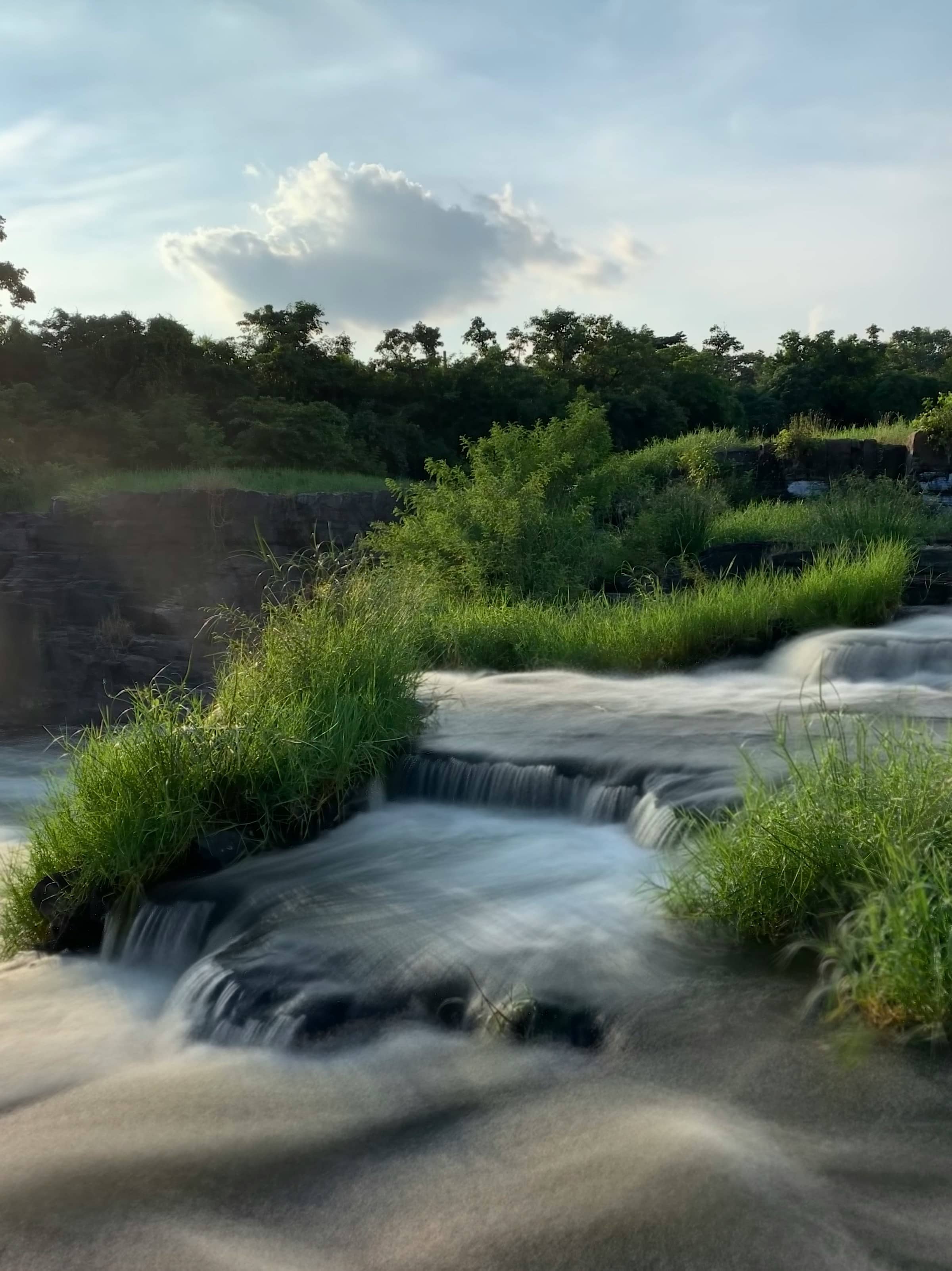
Yes, especially at sunset. Dimna Lake is a man-made reservoir built by Tata Steel, about 13 km from the city according to Incredible India, with the Dalma range rising behind it. It supplies water to the city, and visitors come for the views, boating and short walks into the surrounding hills.
- Timings: Incredible India lists 9:00 AM to 6:00 PM.
- Best season: November to February, when mist settles on the hills.
- Tip: go in the late afternoon and stay for the sunset over the water.
What Can You See at Dalma Wildlife Sanctuary?
Dalma Wildlife Sanctuary, established in 1975, covers the forested Dalma hills that rise above the city and is best known for its elephants. A drive up the hill road gives wide views over Jamshedpur, and the forest is cool even when the city is warm.
Go early in the morning for the best chance of seeing wildlife, carry water, and check current entry rules and fees with the forest department before setting out. Winter, from November to February, is the most comfortable season.
Which Other Places Should Be on Your List?
| Place | What it is | Good for |
|---|---|---|
| Domuhani (River’s Meet) | Where the Subarnarekha and Kharkai rivers meet | Evening walks; Chhath Puja |
| Hudco Lake | A lake park in Telco | A quiet family outing |
| Bhuvaneshwari Temple | A hilltop temple in Telco | Views and a peaceful visit |
| Tata Steel Zoological Park | The zoo beside Jubilee Park | Families with children |
The rivers come alive during festivals: Domuhani is one of the best-known ghats for Chhath Puja, and the whole city turns out for Durga Puja. Our pandal-hopping guide covers the autumn festival season.
How Can You Plan a Day Around the City?
- Morning: Dalma Wildlife Sanctuary, or a walk in Jubilee Park.
- Lunch: back in the city for litti chokha or a long multi-cuisine meal.
- Afternoon: rest, then head out to Dimna Lake.
- Sunset: Dimna Lake, then dinner.
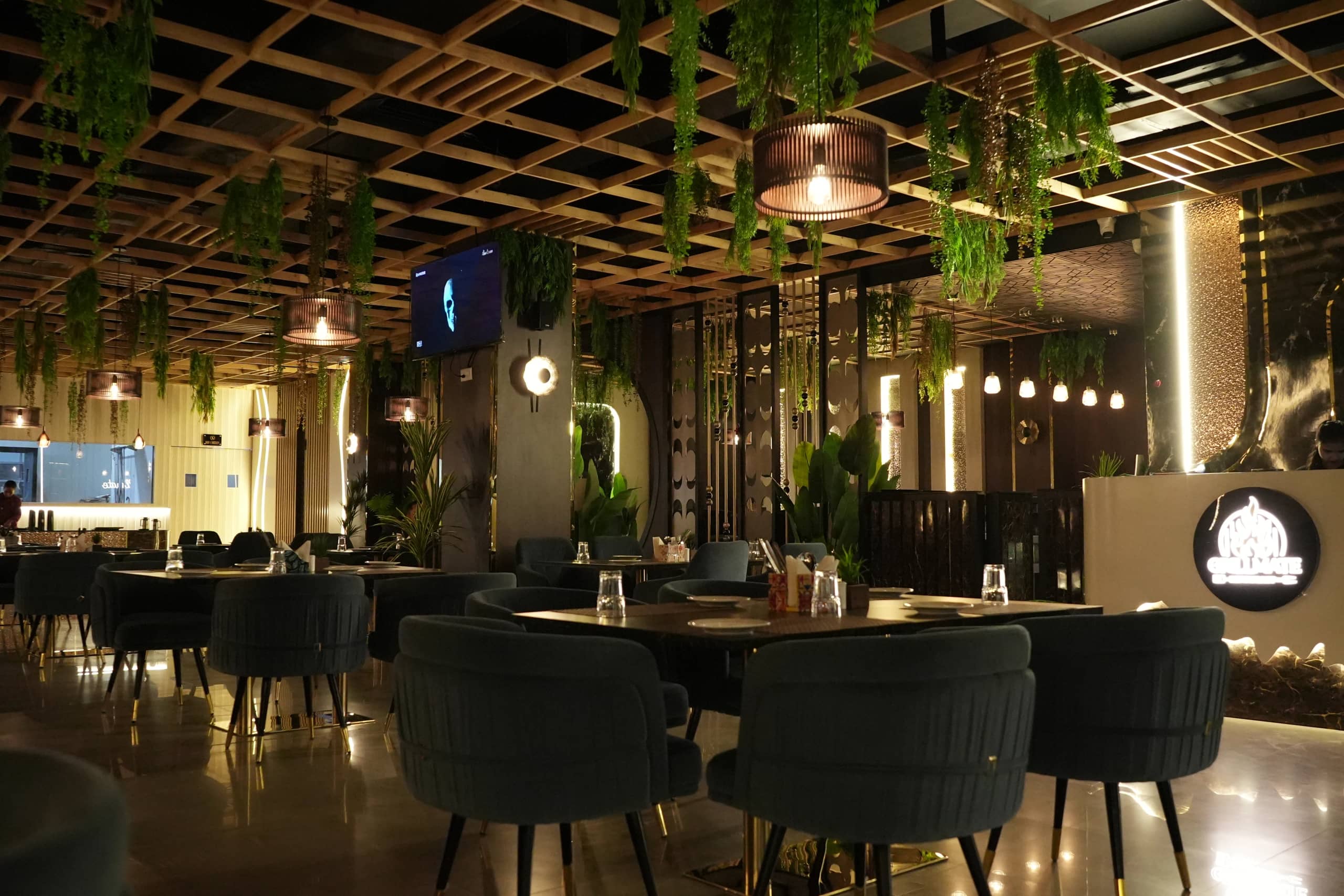
For lunch or dinner, Grillmate at Sarovar Hills serves Indian, Chinese and Continental dishes from 7 AM to 11 PM, and our food guide lists the local dishes to try in the city.
What Makes Jamshedpur Different From Other Cities?
Jamshedpur was one of India’s first planned industrial cities. It grew from the village of Sakchi around the Tata steel works, with construction beginning in 1908, and was named after Jamsetji Tata in 1919. The 2011 census counted about 6.3 lakh people in the city and over 13 lakh in the wider urban area.
That planning shows today in wide roads, large parks and a green skyline framed by the Dalma hills and the Subarnarekha and Kharkai rivers. It is a city where an evening walk in a park is part of daily life, which is exactly what visitors notice first.
What Should You Know Before You Set Out?
- Timings change: parks, the zoo and the sanctuary set their own hours and closed days, so check on the day.
- Sun and water: carry water, sunscreen and a cap, even in winter.
- Shoes: wear comfortable walking shoes for the lakeside and the hills.
- Cash: keep some for entry tickets, parking and boating.
- Photography: ask before photographing people, and follow any rules at the zoo and sanctuary.
Where Should You Stay to Explore Jamshedpur?
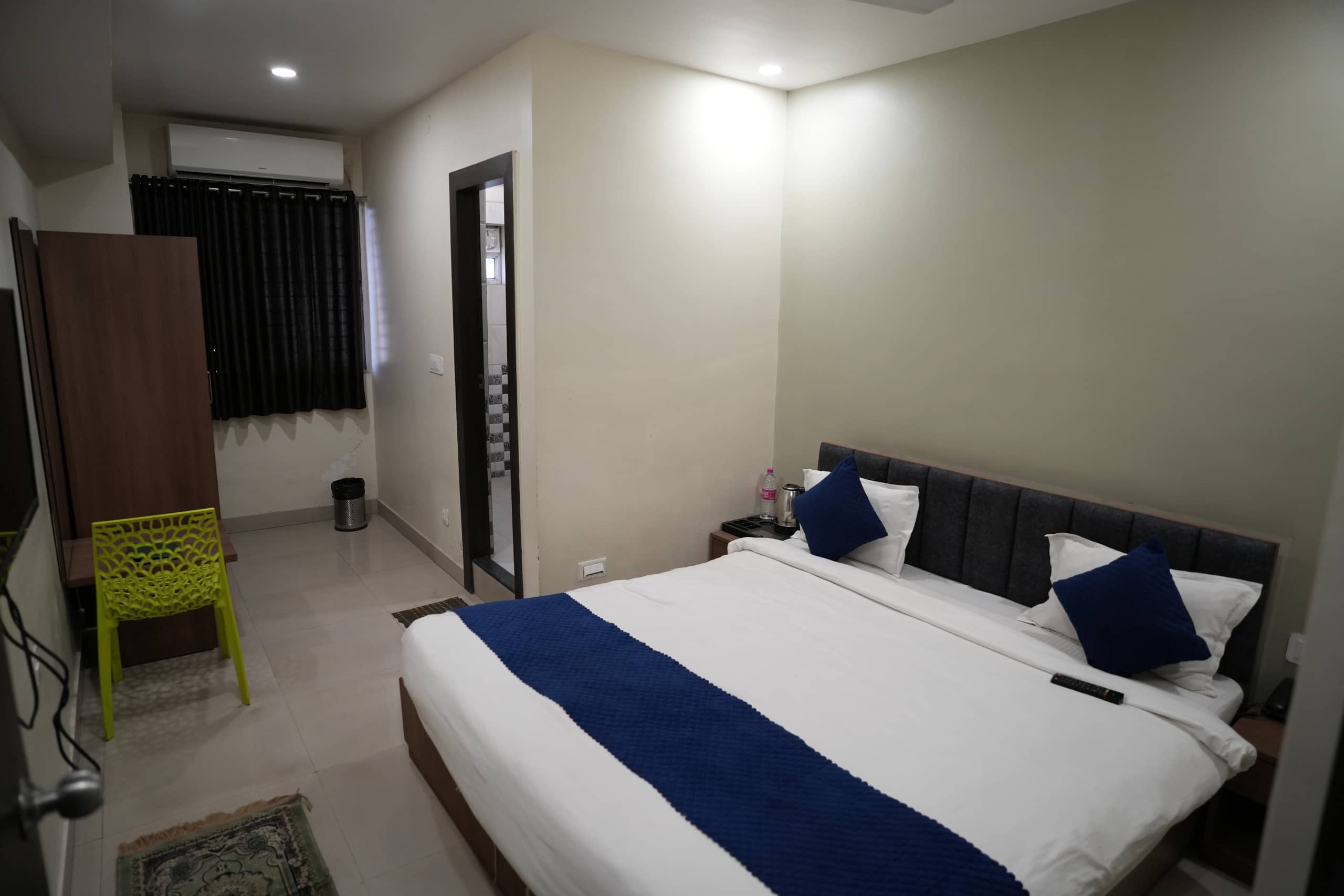
Stay somewhere with easy road access so you can reach both the city centre and the hills. Sarovar Hills is on N.H. 33 in Mango, beside Sahara City, with 42 rooms and suites, valet parking and a restaurant on site, so you can set out early and come back to a quiet room. See the rooms or ask us to help plan your days.
Frequently Asked Questions
How far is Dimna Lake from Jamshedpur?
What is the best time to visit Jamshedpur?
When was Dalma Wildlife Sanctuary established?
What are Dimna Lake’s timings?
Sources
- Wikipedia: Jamshedpur (history, census and climate)
- East Singhbhum district (jamshedpur.nic.in): Places of interest
- Incredible India: Dimna Lake
- TripXL: Dalma Wildlife Sanctuary, a haven of elephants
- Outlook Traveller: Chhath Puja ghats, including Domuhani
Hotel details are from Sarovar Hills. Facts about the city are from the sources above; check timings and dates locally before you travel.