What to Eat in Jamshedpur: From Litti Chokha to Bengali Fish Curry
By the Sarovar Hills teamUpdated 5 min read
Quick Answer
Jamshedpur’s signature dish is litti chokha: roasted wheat balls stuffed with spiced gram flour, served with mashed vegetables. Also try dhuska with ghugni, pitha, Bengali fish curry and the city’s street chaat and puchka.
- Breakfast like a local: litti chokha or dhuska with ghugni.
- Jamshedpur’s food mixes Jharkhandi, Bihari, Bengali and Odia kitchens.
- For a sit-down meal, choose a multi-cuisine restaurant with something for everyone.
A city built by people from every corner of India eats like it. Jamshedpur’s food draws on the tribal kitchens of Jharkhand, the comfort food of Bihar, the fish and sweets of Bengal and Odisha, and a century of canteen and club cooking. Here is what to order, and when.
What Is Litti Chokha?
Litti chokha is the dish most people associate with the region. Incredible India describes it as wheat and gram-flour balls served with spiced mashed vegetables. The litti is stuffed with sattu (roasted gram flour) seasoned with garlic, ginger, green chilli and mustard oil, then roasted or baked until crusty. The chokha is a smoky mash of roasted aubergine, potato and tomato.
Roadside stalls across the city serve it from early morning, often with a spoon of ghee on top. It is filling, cheap and best eaten hot.
Which Other Local Dishes Should You Try?
| Dish | What it is | When to eat it |
|---|---|---|
| Dhuska | Deep-fried bread of soaked rice and lentils | Breakfast, with ghugni |
| Ghugni | Spiced curry of white or yellow peas | Breakfast or an evening snack |
| Pitha | Rice-flour dumplings, sweet or savoury | Festivals and winter |
| Aloo chop | Spiced potato fritters | Evening tea time |
| Thekua | Crisp wheat and jaggery biscuits | Chhath Puja and as a sweet |
| Khaja | Layered sweet pastry of refined flour and sugar | Any time, with tea |
You may also hear about handia, a traditional fermented rice drink of the region’s tribal communities. It is part of local culture and festivals rather than something sold on every corner.
Why Is Bengali Food So Popular in Jamshedpur?
Jamshedpur is close to West Bengal, and many families in the city have Bengali roots. Fish curry, prawn malai curry and rui (rohu) cooked in mustard are household favourites, and during Durga Puja the pandal food stalls are a big part of the fun. See our Durga Puja guide for the festival season.
What Street Food Does Jamshedpur Love?
- Puchka: crisp hollow puris filled with spiced potato and tangy water.
- Chaat: aloo tikki, papdi and bhel, heavy on chutneys.
- Samosa and kachori: the classic tea-time pair.
- Lassi: thick, cold and very welcome in summer.
- South Indian breakfast: dosa, idli and vada have a loyal following in the city.
Where Can You Sit Down for a Multi-Cuisine Meal?
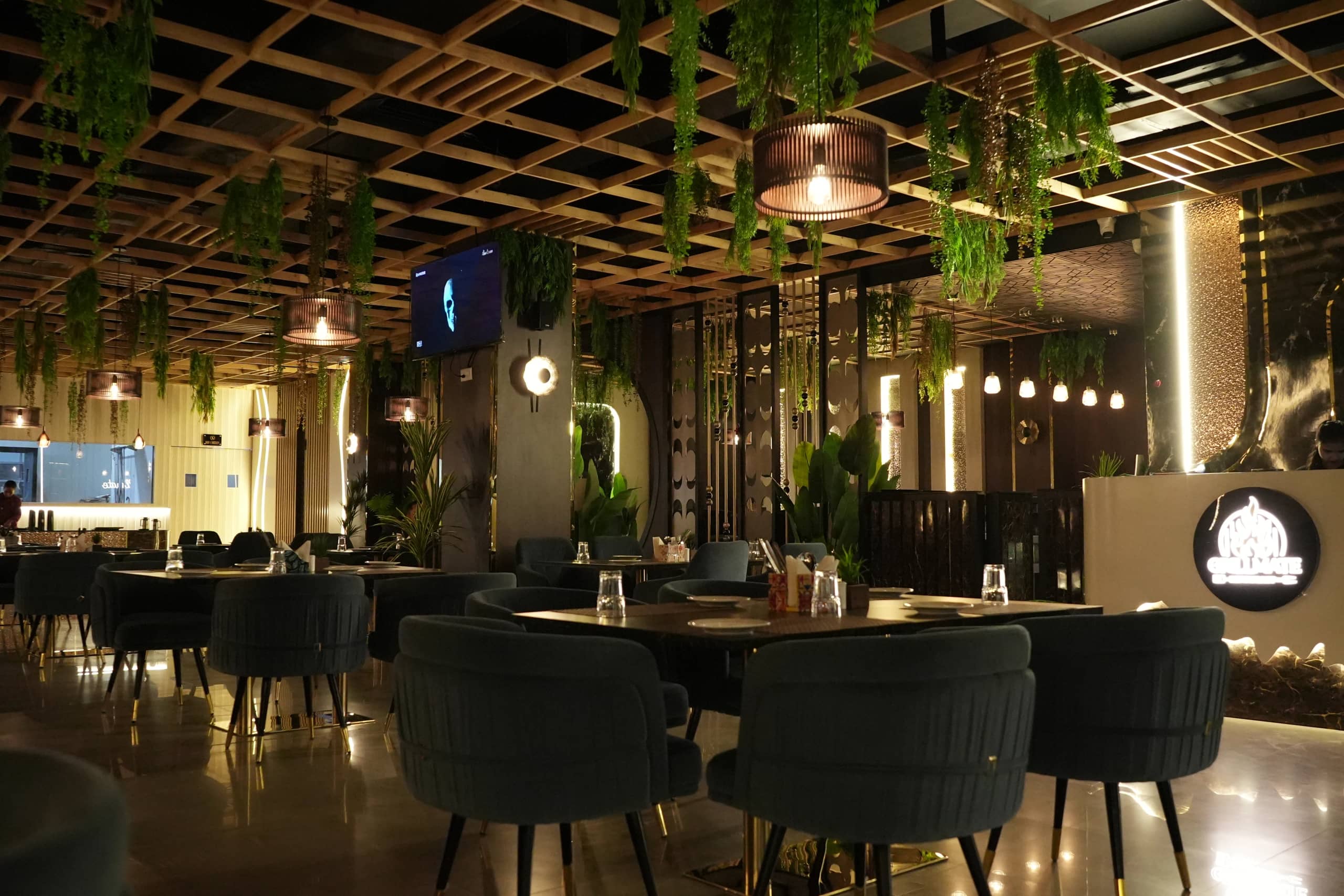
When the family can’t agree, a multi-cuisine restaurant solves the argument. Grillmate at Sarovar Hills, on N.H. 33 in Mango, serves Indian, Chinese and Continental dishes from 7 AM to 11 PM, with a lavish breakfast buffet, family dining and business lunches for up to 80 guests.
It works well for a long lunch between sightseeing stops or a dinner after a day at Dimna Lake and Jubilee Park. See the restaurant or book a room and start the day with the buffet.
What Should Vegetarian and Non-Vegetarian Guests Order?
Vegetarians are spoilt for choice in Jamshedpur. Litti chokha, dhuska with ghugni, chaat, samosas and South Indian breakfasts are all vegetarian, and many sweet shops serve full vegetarian thalis. Ask whether litti is cooked with ghee or oil if that matters to you.
For non-vegetarians, the Bengali influence means excellent fish: mustard fish, rui kalia and prawn malai curry are the dishes to look for. Mutton curry, often slow-cooked in a handi, is a Sunday favourite in many homes and restaurants.
- Mild palates: ask for less chilli; chokha and ghugni can be spicy.
- Children: dosa, idli and plain parathas are safe first choices.
- Sweet tooth: khaja, thekua and Bengali sweets pair well with tea.
When Is the Best Time to Eat Street Food?
Breakfast stalls are busiest from early morning, when litti, dhuska and ghugni are made fresh. Chaat and puchka come into their own in the evening. The winter months are the most pleasant for eating outdoors; in summer, look for shaded stalls and stay hydrated.
What Should You Eat on a One-Day Food Trail?
- Breakfast: litti chokha or dhuska with ghugni at a busy local stall.
- Mid-morning: a cup of tea with khaja or thekua.
- Lunch: a Bengali fish thali, or a multi-cuisine lunch at Grillmate.
- Evening: puchka, chaat and aloo chop.
- Dinner: a relaxed sit-down meal, then lassi or a sweet.
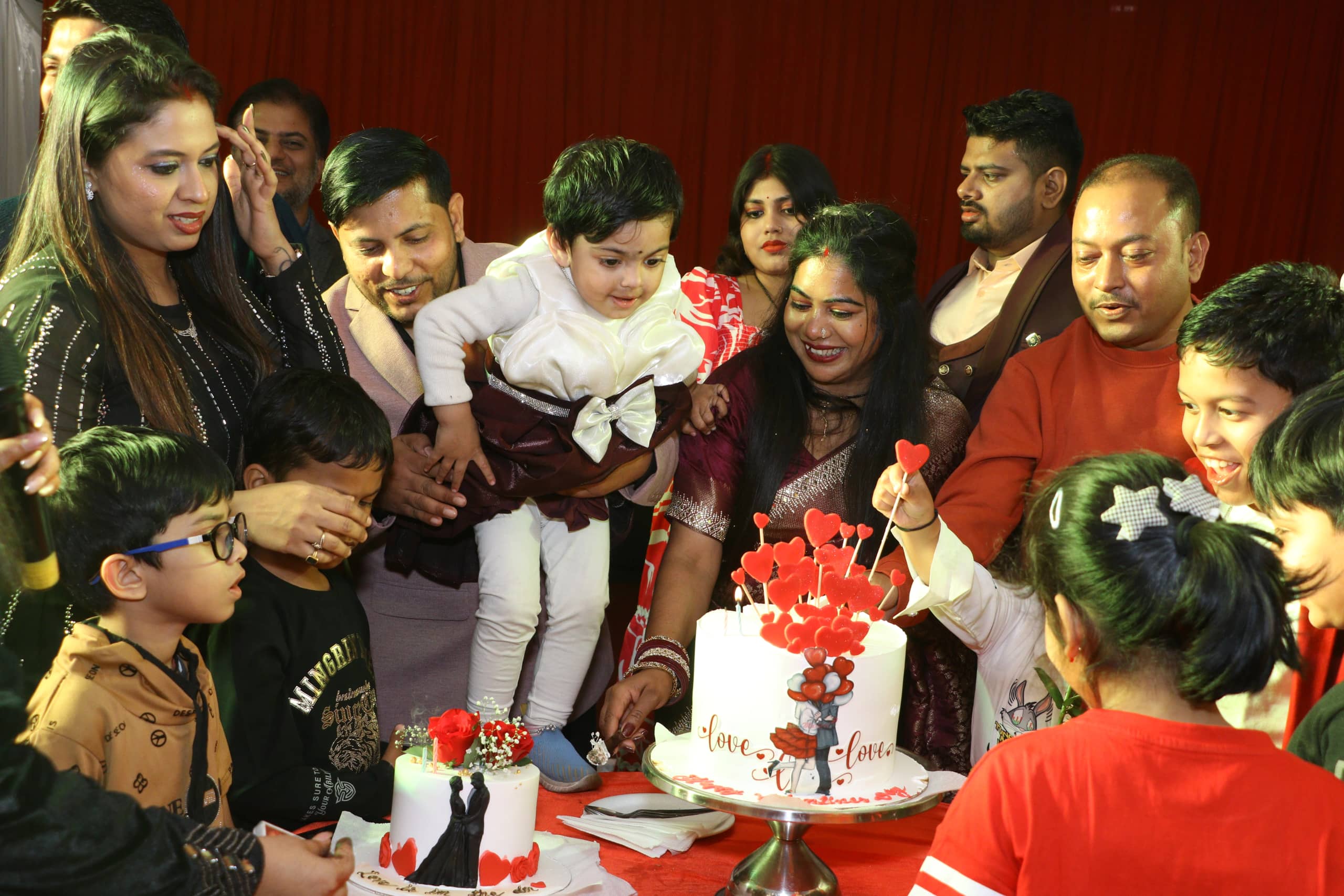
Hosting a celebration? Sarovar Hills caters events in the Amber and Crest Banquets, and outdoor catering is available on the Open Lawn, so the food at the party can be as good as the venue. Plan your event with our team.
Frequently Asked Questions
What is the most famous food of Jamshedpur?
What is dhuska?
Does Sarovar Hills have a restaurant?
Sources
- Incredible India: Discovering local food delicacies in Jamshedpur
- Swiggy: What makes Jamshedpur’s food scene unique
Hotel details are from Sarovar Hills. Facts about the city are from the sources above; check timings and dates locally before you travel.